


-

Add: HeBei ShengShi HongBang Cellulose Technology CO.,LTD.
-

Email
13180486930@163.com -

CONTACT US
+86 13180486930





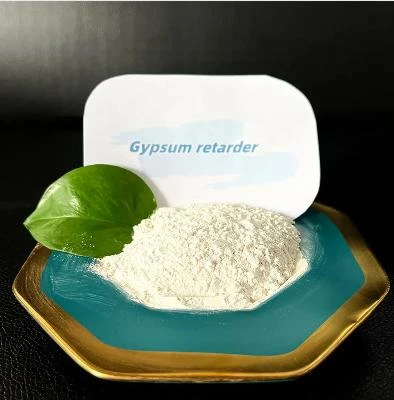
Gypsum retarder, field-tested: the tiny dose that saves your schedule If you’ve ever watched a batch of plaster stiffen just as you’re setting the bead, you already know why a plaster retarder matters. In practice, it’s the difference between frantic re-mixing and a clean, predictable finish. HeBei ShengShi HongBang Cellulose Technology CO., LTD (Room 1904, Building B, Wanda Office Building, JiaoYu Road, Xinji City, Hebei Province) makes a solid, production-grade solution simply called Gypsum retarder. I’ve used similar blends on job sites and in pilot lines; this one checks the right boxes. What it is and why it works Technically, a plaster retarder slows the hydration and crystallization of calcium sulfate hemihydrate (stucco) into dihydrate (set gypsum). Organic acid salts (think citrate/tartrate families) and refined protein modifiers adsorb on crystal nuclei, delaying growth. The result: extended working time, steadier flow, and—when dosed correctly—no real hit on final strength. Many customers say the biggest surprise is consistency from morning to late afternoon pours, despite temperature swings. Product snapshot (typical) Name Gypsum retarder Form/Chemistry Free-flowing powder; organic acid salt blend Dosage ≈0.05–0.30% by weight of gypsum (real-world use may vary) Set-time extension +20 to +120 min vs. control (ASTM C472 Vicat) pH (1% sol.) ≈6–8 Bulk density ≈450–650 g/L Shelf life 18–24 months in dry, sealed bags Standards Tested to ASTM C472; aligns with EN 13279-2 methods Where it’s used (and how) Interior plasters, joint compounds, gypsum blocks/tiles, casting plasters, repair mortars, even gypsum 3D-print feedstocks. Typical method: dry-blend into powder formulation or premix in gauging water; mix 2–3 minutes for uniformity. Process flow: raw gypsum selection → calcination → blending (fillers, polymers, plaster retarder ) → QC tests (Vicat set, flow cone, compressive strength) → bagging. Testing standards: ASTM C472 (set/consistency), EN 13279-2 (workability/strength). Some buyers also look for ISO 9001 quality systems. Service life in application: extended open time 20–90 minutes, depending on climate and dosage. Quick field data from recent plant trials: at 0.12% dosage, initial set moved from 12 to 52 minutes; compressive strength at 7 days retained 95% of control; water demand rose ≈1.5%. Honestly, that’s right in the sweet spot—usable pot life without mushy edges. Vendor comparison (indicative) Vendor/Type Typical dosage Strength retention Notes SSH-BHPMC Gypsum retarder 0.08–0.20% ≈92–98% Balanced set control; stable in warm climates Generic citrate-based 0.10–0.30% ≈90–96% Economical; may need defoamer Legacy protein-based 0.20–0.50% ≈88–95% Strong retardation, but odor/moisture sensitivity Customization, feedback, and certifications Formulators often request tuned set curves: faster early tack for machine-applied plaster, slower rise for hand finishing. SSH-BHPMC offers custom blends and supports plant trials—helpful, because real sand gradation and ambient humidity always push back. Contractors we spoke with liked the “predictable mornings” (their phrase), and a prefab panel line in Southeast Asia reported a 7% rework drop after switching dosing from 0.18% to 0.14% with tighter QC. Documentation commonly provided: SDS, technical data sheet; quality systems aligned with ISO 9001; testing per ASTM C472/EN 13279-2. Advantages you actually notice Cleaner edges and longer trowel time, without gummy overrun. Reduced cold-joint risk across large wall pulls. Stable performance across seasons—surprisingly forgiving in summer. Fine-tunable dosing; plays well with HPMC, starch ether, and defoamers. Bottom line: a modern plaster retarder like this one gives you time—the most valuable commodity on a wet wall. Start at 0.10% in temperate weather, validate with ASTM C472 in-house, and nudge by ±0.02% until your crews say, “Don’t touch it.” To be honest, that’s usually the best KPI you’ll get. Authoritative citations ASTM C472: Standard Test Methods for Physical Testing of Gypsum, Gypsum Plasters and Gypsum Concrete. EN 13279-2: Gypsum binders and gypsum plasters – Test methods. ISO 9001:2015 Quality management systems – Requirements. ECHA Guidance on Registration under REACH (re: additives in mixtures), European Chemicals Agency.
- 40000tons

Production
- 20+years

Experience
- 5000+㎡

Acreage

-

Hydroxypropyl Methyl Cellulose Ether Applications and Benefits Hydroxypropyl methyl cellulose ether (HPMC) is a versatile compound that has gained significant attention in various industries due to its unique properties and wide range of applications. This cellulose derivative, produced by the treatment of cellulose with propylene oxide and methyl chloride, is characterized by its excellent water solubility, film-forming ability, and capacity to modify viscosity. As we explore HPMC, we will delve into its applications, benefits, and future prospects. Properties of HPMC HPMC is a non-ionic, water-soluble polymer that has several advantageous properties. Its viscosity can be modified by altering the ratio of hydroxypropyl and methyl groups, allowing manufacturers to tailor it for specific applications. In addition to its solubility in water, HPMC is also resistant to acids, bases, and fermentation, making it a stable choice for various formulations. It forms a gel upon heating, which then provides a suitable environment for controlled-release applications. These properties make HPMC a key ingredient in pharmaceuticals, food processing, cosmetics, and construction materials. Applications in Pharmaceuticals One of the most prominent uses of HPMC is in the pharmaceutical industry, where it serves as a binder, film former, and controlled-release agent in drug formulations. HPMC is commonly found in tablet formulations, enhancing the uniformity and stability of the active ingredients. Its ability to form a gel at elevated temperatures is particularly useful in developing sustained-release medications, allowing for a gradual release of the drug over time, which can improve patient compliance and therapeutic outcomes. Moreover, HPMC is utilized as a coating agent for tablets and capsules, providing a protective layer that enhances the product’s stability and appearance. In topical formulations, HPMC contributes to the viscosity and texture, improving the feel and application of creams and ointments. The versatility of HPMC in pharmaceuticals underscores its importance in enhancing the efficacy and delivery of medicinal compounds. Role in Food Industry hydroxypropyl methyl cellulose ether In the food industry, HPMC is valued for its thickening, emulsifying, and stabilizing properties. It is used in various food products, including sauces, dressings, and ice creams, to improve texture and consistency. HPMC acts as a fat replacer, offering a creamy mouthfeel without the addition of calories, making it an ideal ingredient in healthier food alternatives. Additionally, HPMC is recognized for its role in gluten-free cooking. It helps bind ingredients together, enhancing the texture of baked goods, which often lack the structure provided by traditional gluten. Its ability to retain moisture also contributes to the freshness and shelf-life of food products, making it a crucial ingredient in modern culinary applications. Applications in Construction The construction industry has also embraced HPMC, where it is used as a key component in cement-based formulations, tile adhesives, and plaster. Its water-retaining properties help maintain workability and improve adhesion, making it easier to apply materials in various conditions. HPMC acts as a thickening agent in cement mixtures, enhancing the ease of application while minimizing sagging and slipping during the curing process. This contributes to the durability and strength of the final product, making HPMC a valuable additive in construction materials. Benefits and Safety HPMC is generally regarded as safe for use across various industries, with the Food and Drug Administration (FDA) and other regulatory bodies recognizing it as a non-toxic and non-allergenic compound. Its natural origin from cellulose makes it appealing to consumers who are increasingly seeking clean-label products. The multifunctional properties of HPMC allow for reduced formulation complexity, fewer raw materials, and enhanced efficiency, making it a cost-effective choice for manufacturers. Conclusion In conclusion, hydroxypropyl methyl cellulose ether is a multifunctional compound with a wide array of applications across numerous industries, including pharmaceuticals, food, and construction. Its unique properties, including water solubility, film-forming capacity, and viscosity modification, make it an invaluable ingredient in enhancing product performance. As industries continue to innovate, the demand for HPMC is expected to grow, solidifying its position as a vital component in modern formulations. The exploration of new applications and the development of tailored HPMC products will likely continue, showcasing the enduring relevance of this remarkable cellulose derivative.
-
The world of hair care is evolving, with consumers seeking products that not only meet aesthetic desires but also promote overall hair health. One such innovative ingredient that stands out in the hair care market is hydroxypropyl starch phosphate, a modified starch that serves as an exceptional conditioning agent. This article delves into its multifaceted benefits, applications, and why it is gaining traction among hair care enthusiasts and professionals. Hydroxypropyl starch phosphate is derived from natural starch, typically sourced from corn or potatoes. This ingredient undergoes a modification process, which enhances its properties, making it particularly suitable for hair care applications. By altering the starch’s molecular structure, it becomes an effective film-former and stabilizer, endowing hair products with improved texture and performance. From a professional standpoint, hydroxypropyl starch phosphate is praised for its conditioning benefits . It effectively smooths the hair shaft, reducing frizz and enhancing shine. This is achieved by forming a thin film over the hair strands, which not only protects the hair from external aggressors but also locks in moisture. Unlike some synthetic polymers traditionally used in hair care, this modified starch is biodegradable, presenting an eco-friendly alternative that aligns with the growing consumer demand for sustainable beauty solutions. Hair health experts emphasize the importance of hydration and protection in maintaining vibrant hair. Hydroxypropyl starch phosphate contributes to these aspects by preventing moisture loss and shielding hair from thermal damage. Its ability to withstand high temperatures without breaking down makes it an excellent ingredient for products aimed at thermal protection, such as heat protectants and leave-in conditioners. Scientific studies and real-life testimonials corroborate the efficacy of hydroxypropyl starch phosphate in enhancing hair manageability. Users have reported noticeably softer and more manageable hair with continued use of products containing this ingredient. Furthermore, because it is derived from natural sources, it is gentle enough for daily use across various hair types, including chemically treated and sensitive scalps. hydroxypropyl starch phosphate hair In terms of professional formulations, hydroxypropyl starch phosphate’s versatility cannot be overstated. It seamlessly integrates into a wide range of hair care products, from shampoos and conditioners to styling creams and gels. Its compatibility with other common cosmetic ingredients ensures that product efficacy is not compromised, making it a preferred choice for formulators striving to create holistic hair care solutions. Trust and transparency are pivotal in today’s consumer landscape. As a naturally derived ingredient, hydroxypropyl starch phosphate offers a trustworthy option for brands and consumers alike. Its safety profile bolstered by regulatory approvals in major markets, assures users of its quality and efficacy. Additionally, its application in hair care represents a bridge between nature and science, exemplifying how innovative technology can enhance natural ingredients to meet modern beauty standards. Authoritative voices in the beauty industry have recognized hydroxypropyl starch phosphate for its superior benefits compared to traditional conditioning agents. Publications in cosmetic science journals highlight its multifaceted nature, underscoring its crucial role in developing advanced hair care products that cater to a diverse audience with varying hair care needs. For consumers and beauty professionals seeking a reliable, effective, and sustainable ingredient in hair care, hydroxypropyl starch phosphate presents a compelling option. Its ability to deliver consistent performance without compromising on safety makes it a standout choice in an industry where consumers are increasingly mindful of ingredient sourcing and environmental impact. As the quest for healthier, more sustainable hair care options continues, hydroxypropyl starch phosphate represents a step forward. By merging efficacy with environmental responsibility, it embodies the future of hair care, with promising potential for innovation. This ingredient is not just a solution for today’s consumers but a benchmark for tomorrow’s hair care formulations.
advantages
-

200000 Viscosities
Excellent product
We can produce pure products up to 200,000 viscosities
-

40000 tons
High yield
We don’t stop production all year round, and the annual output can reach 40,000 tons
-

24 hours
Quality service
We provide 24-hours online reception service, welcome to consult at any time
———— Inquiry Form
Schedule A services
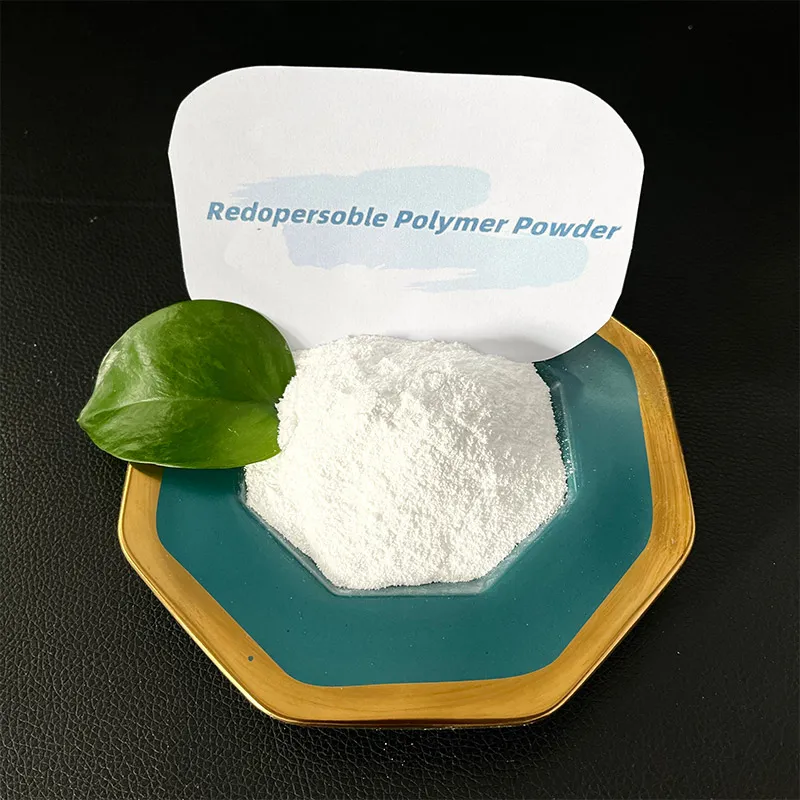

-
 fournisseurs_de_fibres_pp
Oct . 25, 2025
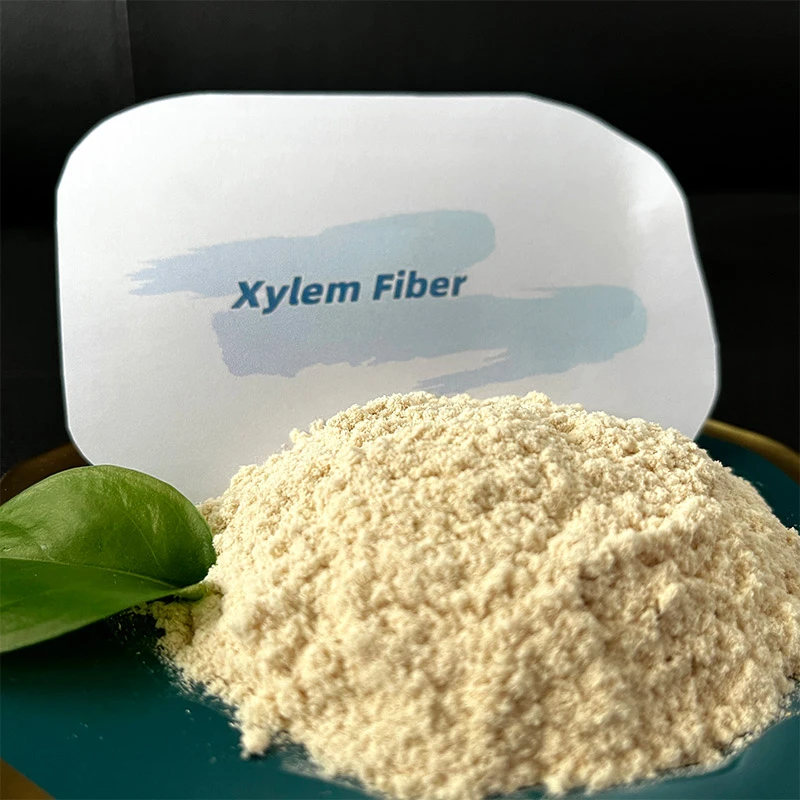
Polypropylene Fibers for Sale An Overview In the world of textiles and materials, polypropylene fibe -
 microfiber_monofilament
Oct . 25, 2025
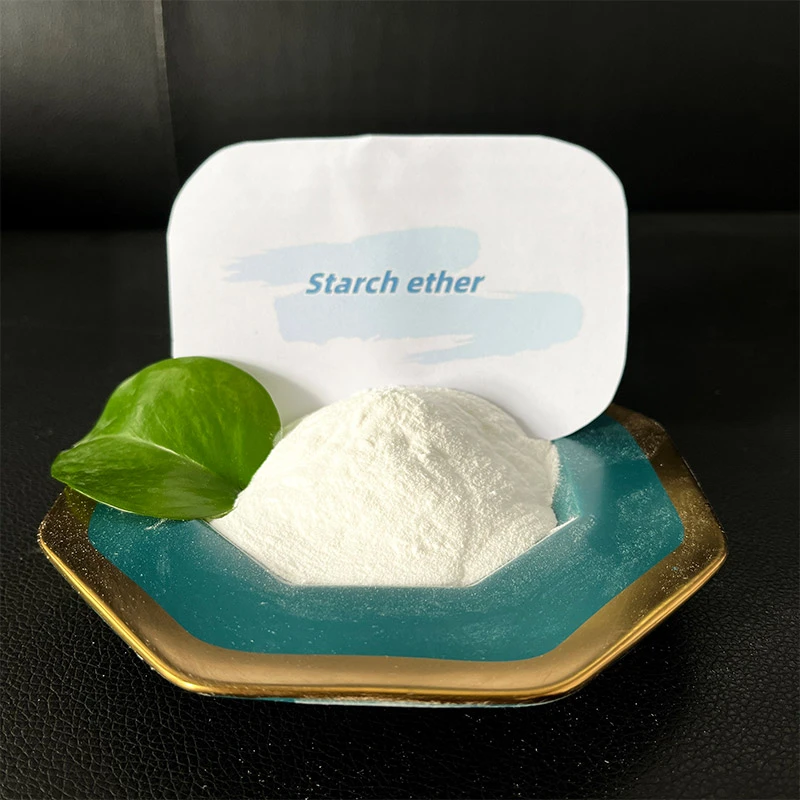
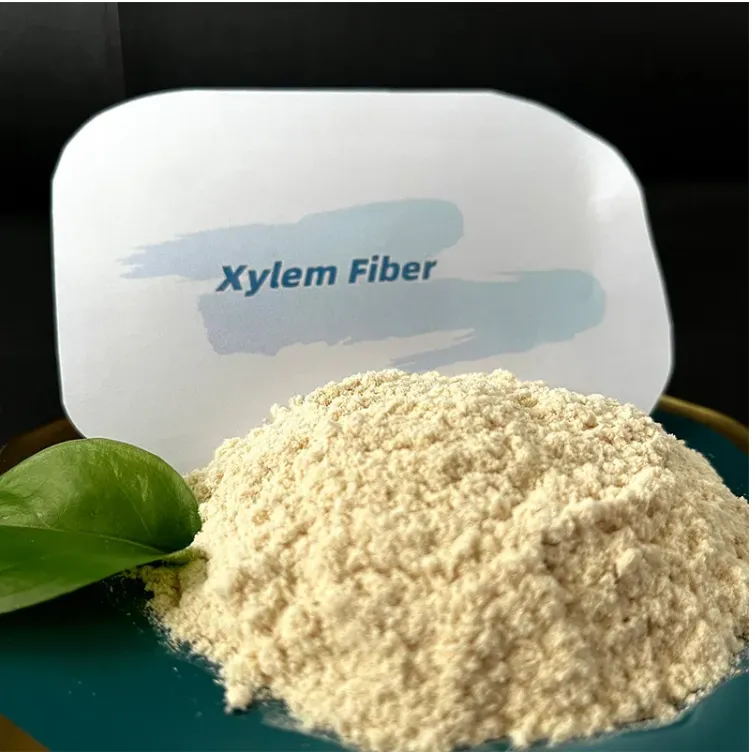
Starch ether is an essential additive in many modern construction materials, offering superior perfo -
 bubuk_lateks_yang_dapat_didispersikan_kembali
Oct . 25, 2025
Hydroxy starch has emerged as a promising ingredient in various industries due to its versatile prop


